Category: Uncategorized

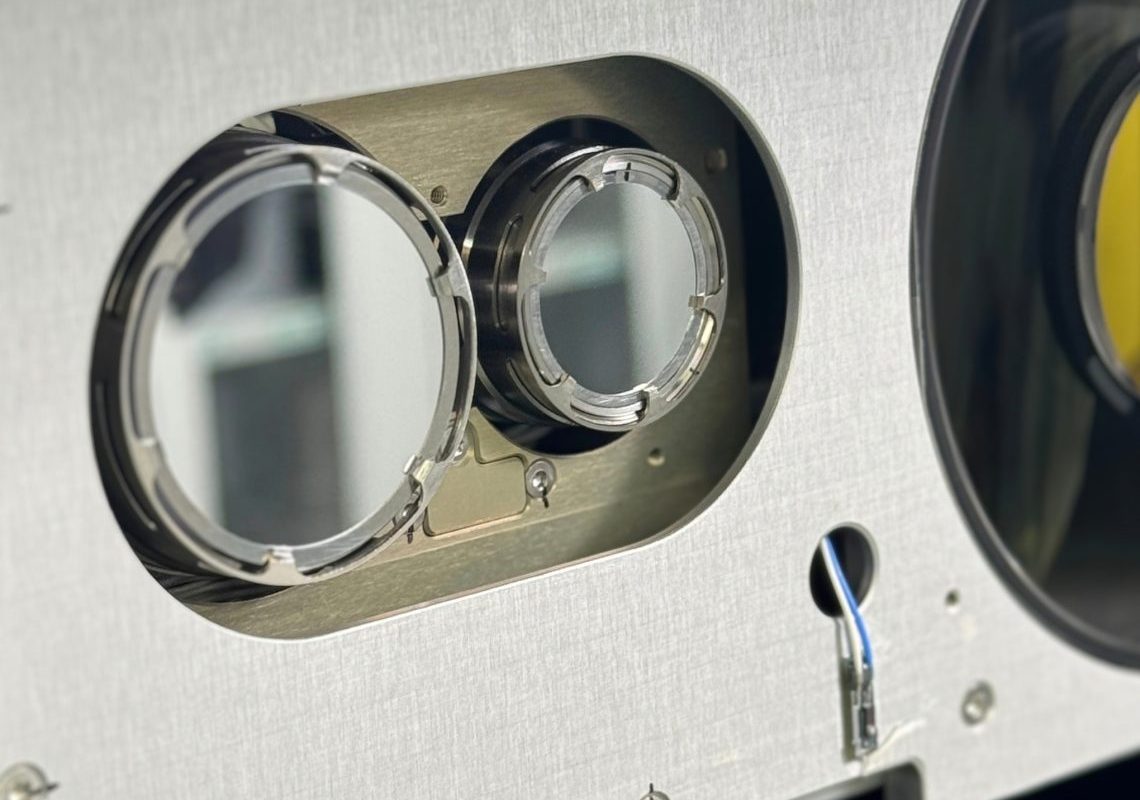
Astrolight’s laser communication terminal ATLAS-1 aboard the University of Athens’ ERMIS-3 satellite. Source: National and Kapodistrian University of Athens (source: astrolight.com)
Astrolight’s Laser Communication Technology Begins Routine Data Transmission from Space to Earth

Lithuanian space and defence technology company Astrolight, together with its partners in Greece, has successfully commissioned a laser communication system capable of transmitting data from an orbiting satellite to a ground station. This marks the first time Astrolight’s laser communication technology has operated in orbit and enabled routine data transmission to Earth. The system now operates autonomously, with both the satellite terminal and ground station managed remotely from Lithuania.

The achievement was announced on 8 October by Astrolight, together with the National and Kapodistrian University of Athens and Aristotle University of Thessaloniki.

Data Transmission at 1 Gbps

The laser communication link was established between two Astrolight-developed systems: the ATLAS-1 laser communication terminal installed aboard a satellite and an optical ground station in Greece. ATLAS-1 is integrated into ERMIS-3, a nanosatellite developed by the University of Athens, while the data is received by Aristotle University of Thessaloniki’s HolOGS-1 optical ground station, located in the Holomondas Mountains in Greece. Astrolight upgraded the station to its OGS-2.5 configuration. Both systems were developed as part of the ERMIS and PeakSat missions, supported by the European Space Agency (ESA).

The system currently transmits data at 1 gigabit per second (Gbps), while technical assessments conducted by the company indicate that it could support speeds of up to 10 Gbps. The first optical link was successfully established during the satellite’s first active pass over the ground station. By the third pass, both systems had been fully calibrated and began operating autonomously according to a predefined schedule. Within a week of the initial connection, the system had transitioned to routine operations, with communication links now established twice daily and both systems managed remotely from Lithuania.

One of the most significant aspects of this achievement is not only the successful transmission of data using laser technology, but also the system’s demonstrated ability to establish and maintain optical links autonomously. According to Astrolight, reliable communication was achieved during both daytime and nighttime operations, including under more challenging conditions when the satellite was low above the horizon or when clouds and other obstacles intermittently obstructed the optical path. Following in-orbit calibration, optical link availability exceeded 85% during satellite passes with elevation angles above 15 degrees. When the optical link was interrupted, ATLAS-1 was able to re-establish communication in less than 10 milliseconds without requiring an additional scanning procedure.

According to Dalius Petrulionis, Co-founder and Chief Technology Officer of Astrolight, the company is among the first to demonstrate a fully autonomous end-to-end laser communication link using its own systems in both space and on the ground, operated entirely remotely. Astrolight aims to make high-speed optical communication a practical, routinely available service for satellite operators without the need for continuous on-site supervision.

Laser Communication as an Alternative to Radio-Frequency Data Transmission

Most satellites currently transmit data to Earth using radio-frequency communication. Laser communication offers an alternative, enabling large volumes of data to be transmitted through a narrow optical beam. One of the technology’s key advantages is its resistance to radio-frequency interference. In addition, the narrow laser beam makes interception of transmitted data more difficult, while optical communication technologies offer the potential for significantly higher data transmission rates. These capabilities are becoming increasingly relevant as satellite data volumes grow and demand rises for reliable, high-speed and secure communication solutions.

Laurynas Mačiulis, Co-founder and CEO of Astrolight, highlights that electronic warfare threats, GPS interference and the vulnerability of communication infrastructure are increasing the importance of alternative communication technologies. He emphasises the need for Lithuania and Europe to develop solutions that are resistant to radio-frequency interference and reduce dependence on individual elements of communication infrastructure.

Next-Generation Laser Communication Systems

Following the successful commissioning of ATLAS-1 and OGS-2.5, Astrolight continues to develop its space-to-ground laser communication technologies. In addition to the operational optical ground station in Greece, the company is building another station in Greenland in cooperation with the European Space Agency. Astrolight is also developing three next-generation laser communication terminals: ATLAS-2, ATLAS-X-MINI and ATLAS-X.

ATLAS-2 and ATLAS-X-MINI are being designed to support communication speeds of up to 2.5 Gbps for inter-satellite and space-to-ground links. Certain configurations of these terminals could potentially achieve speeds of up to 100 Gbps. The larger ATLAS-X terminal is being developed to support data transmission rates of up to 400 Gbps in accordance with the ESTOL standard. Its commissioning is planned for 2028–2029 as part of ESA’s HydRON project, while qualification testing of ATLAS-2 and ATLAS-X-MINI is expected to be completed in 2026.

The successful operation of ATLAS-1 in orbit marks an important milestone in Astrolight’s technological development. Laser communication systems developed in Lithuania are now being used for routine data transmission from space to Earth, providing a foundation for further technological advancement and commercial applications.

Source:

astrolight.com

lrt.lt

Lithuanian Lasers Turn 60: From the First Laser to a Globally Recognised High-Tech Ecosystem

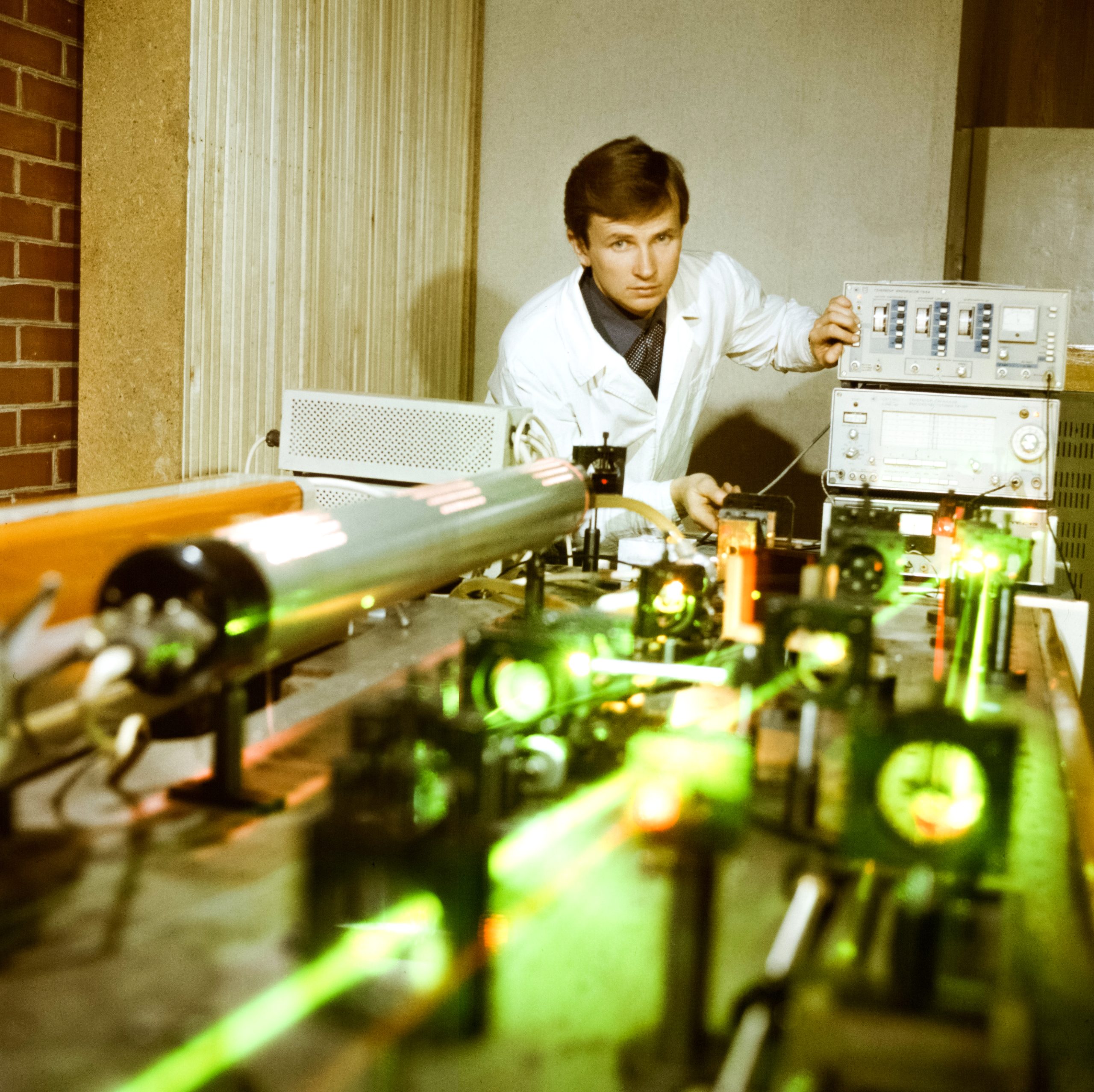
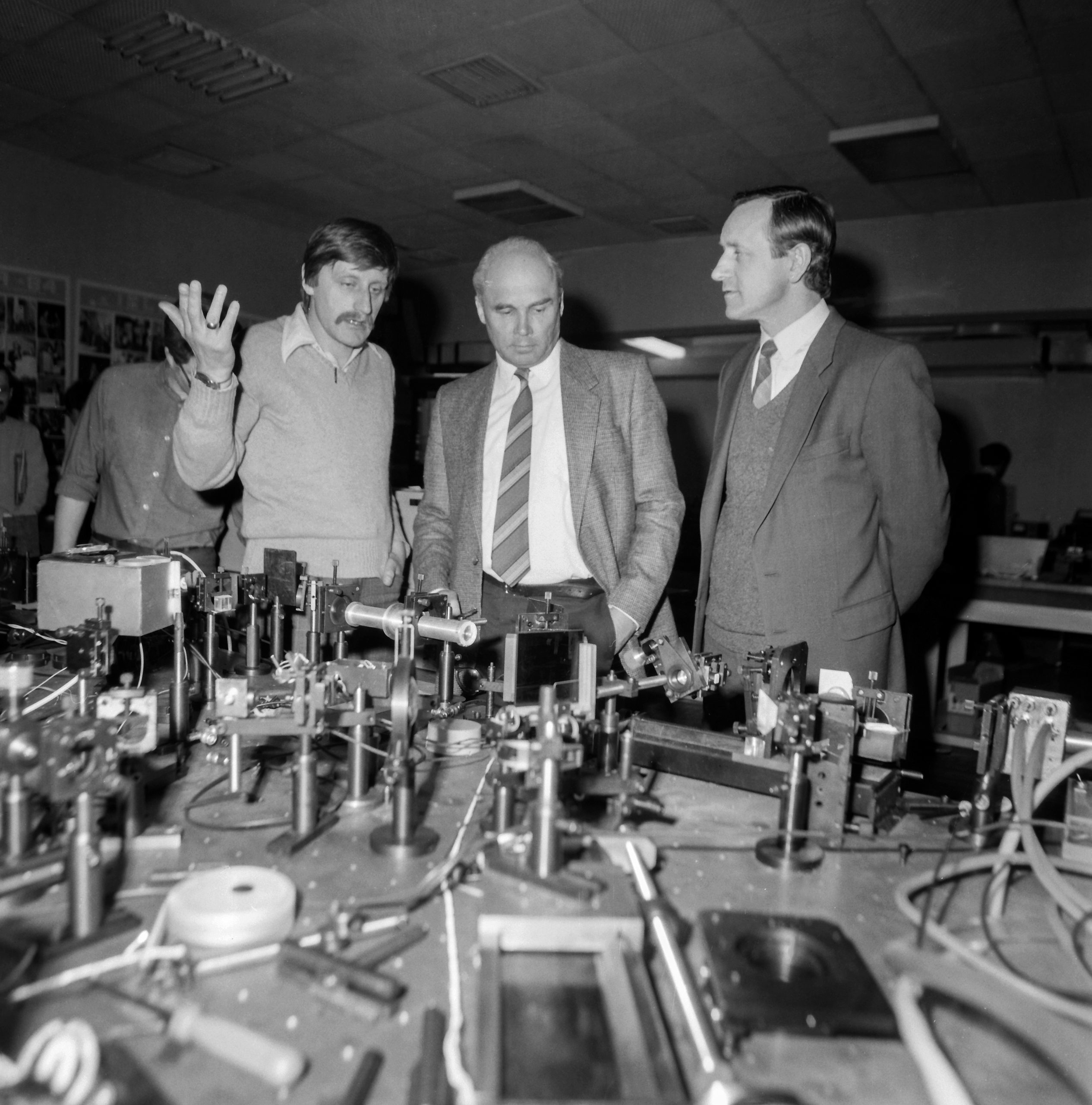
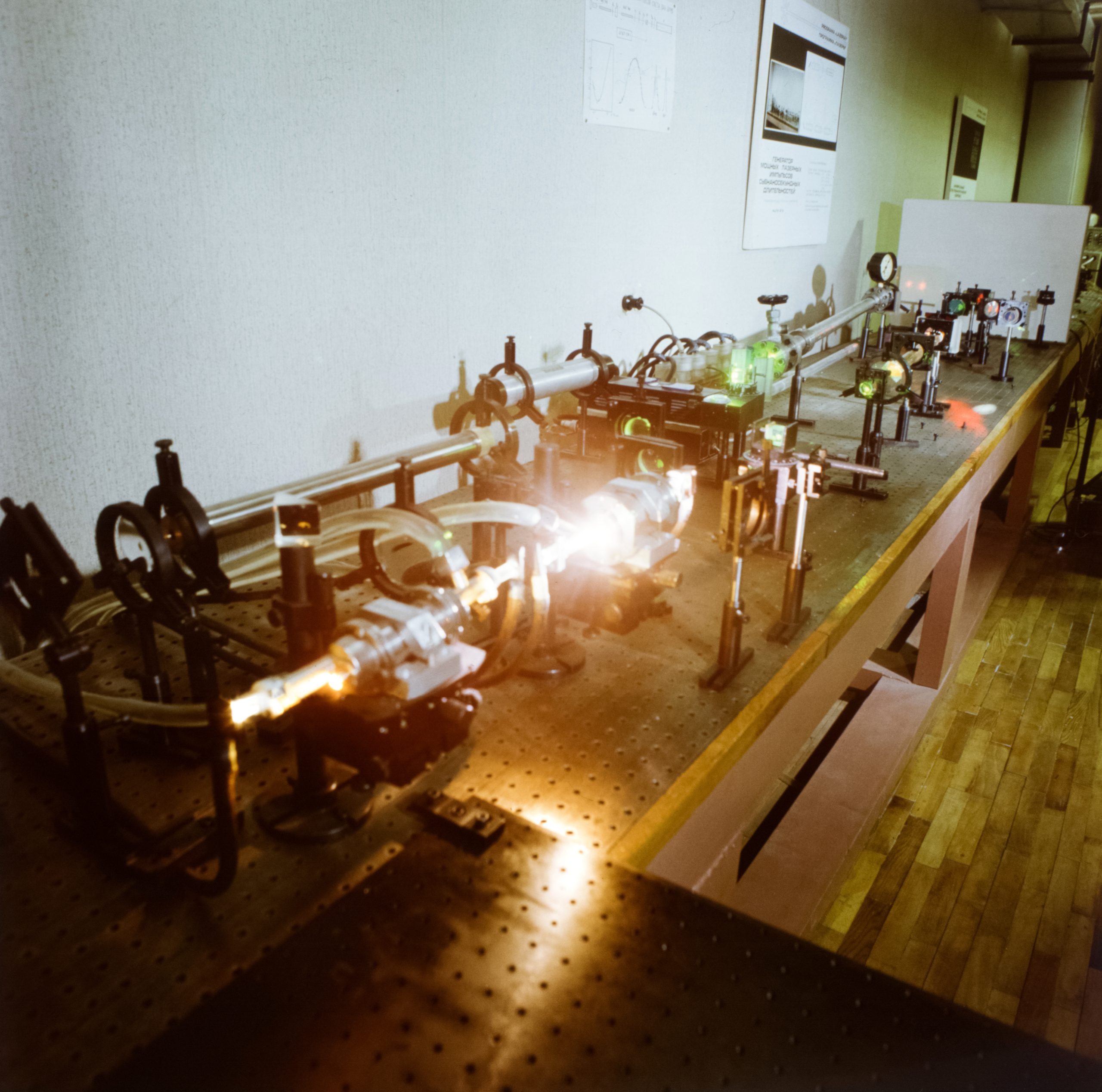
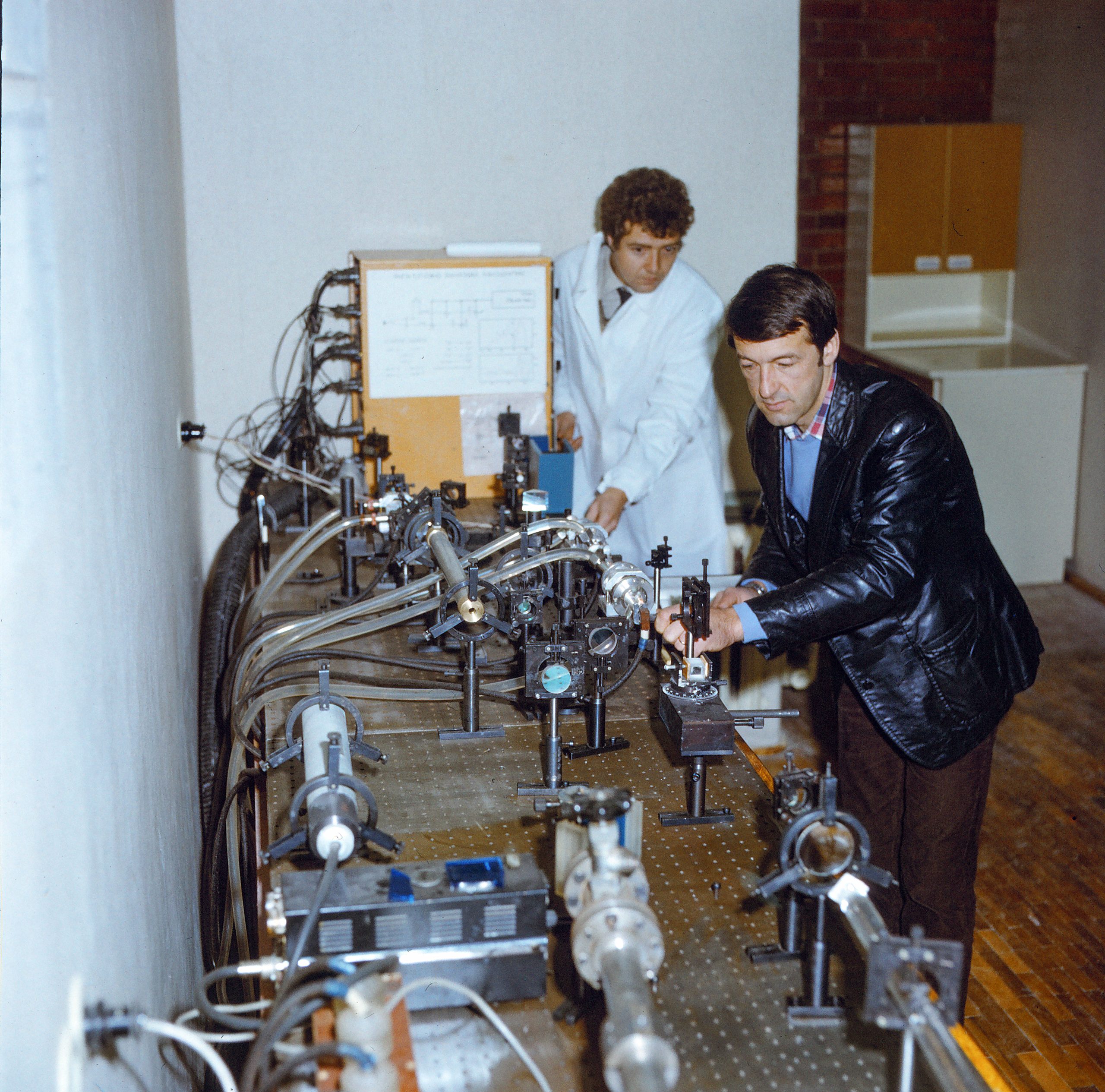
In 1966, just six years after the world’s first laser was created, the first laser in Lithuania was fired at Vilnius University. Today, the country is home to more than 60 laser and photonics companies, with over 2,000 highly qualified specialists working across the sector and its research centres. More than 90% of Lithuania’s laser industry output is exported.

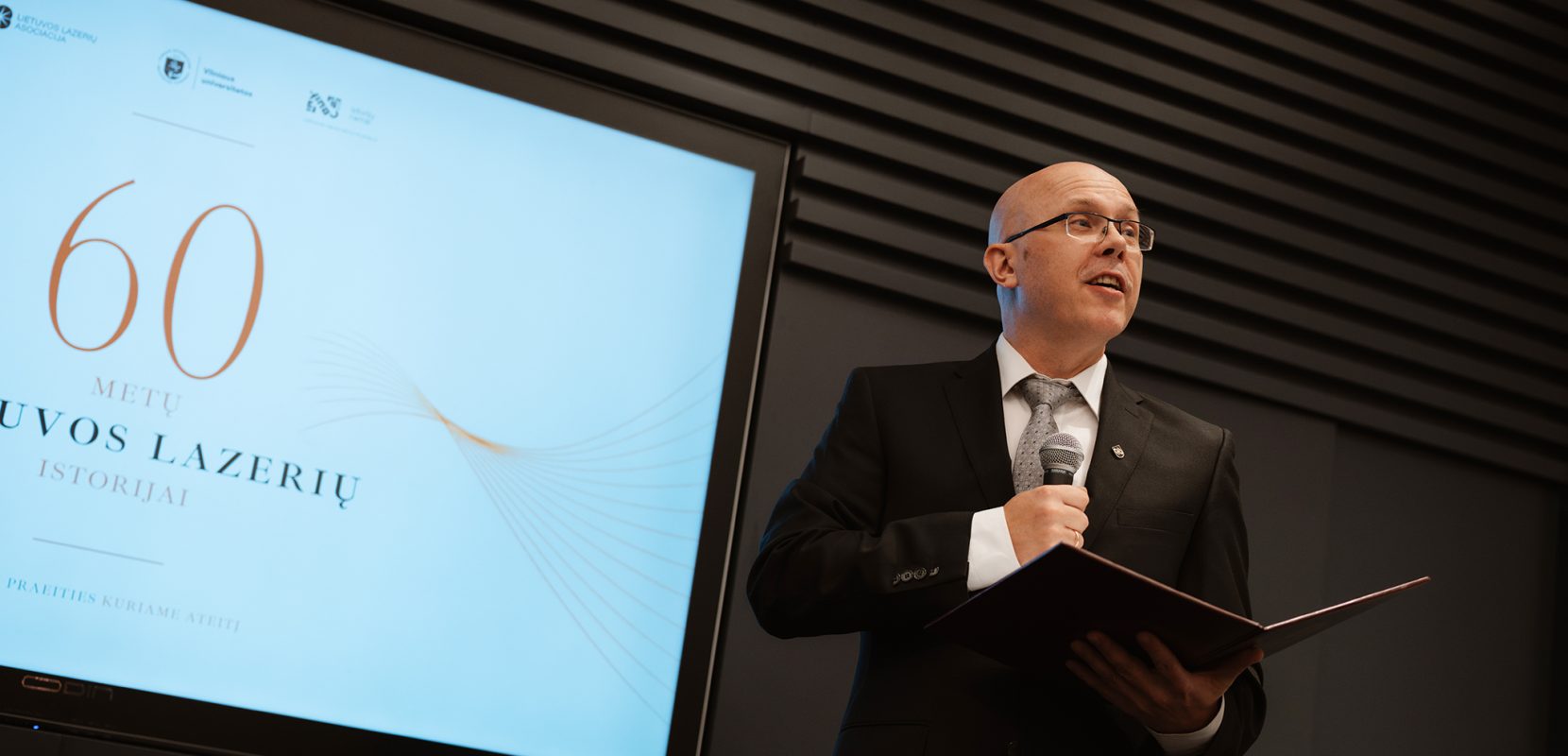
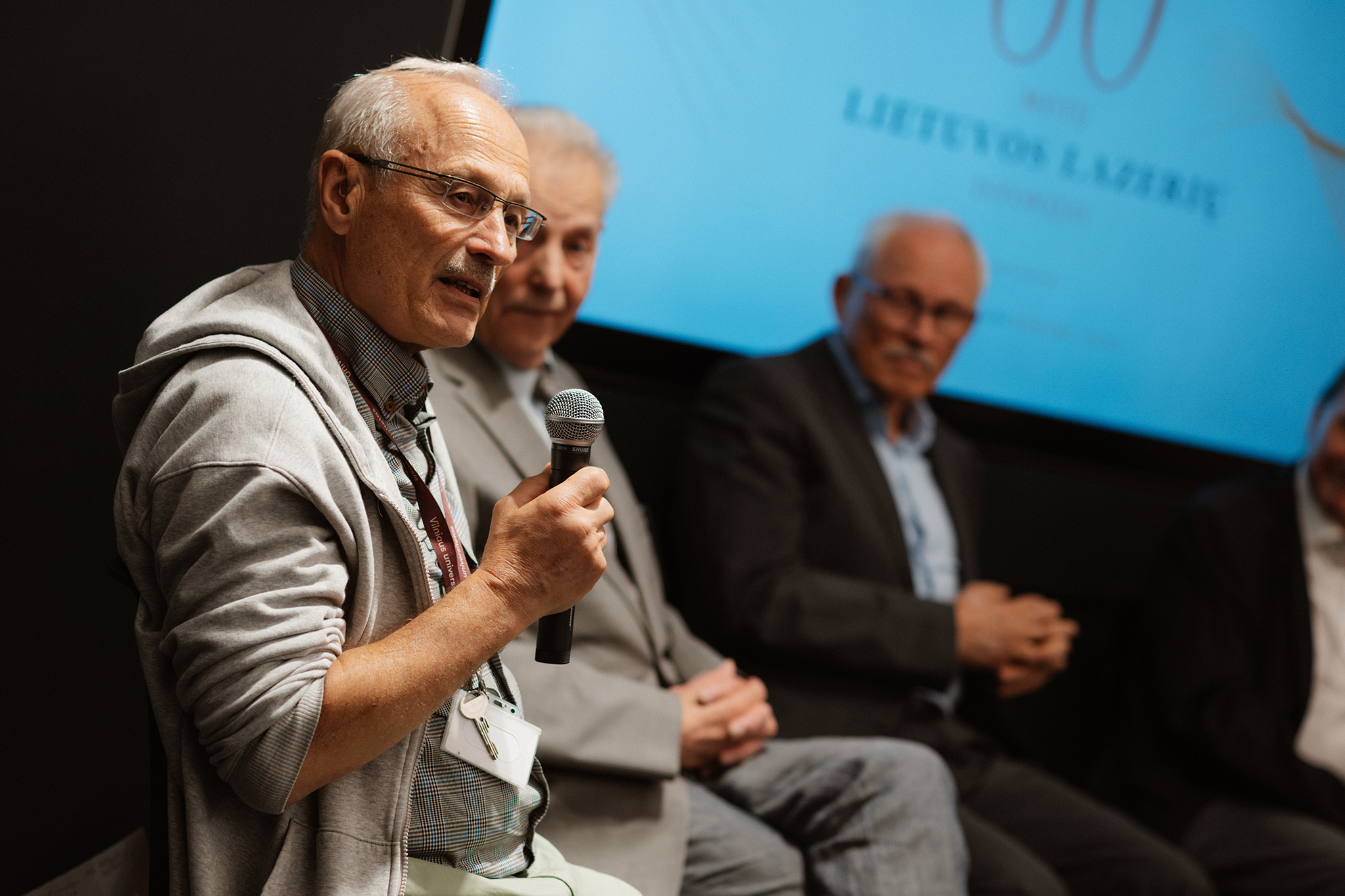
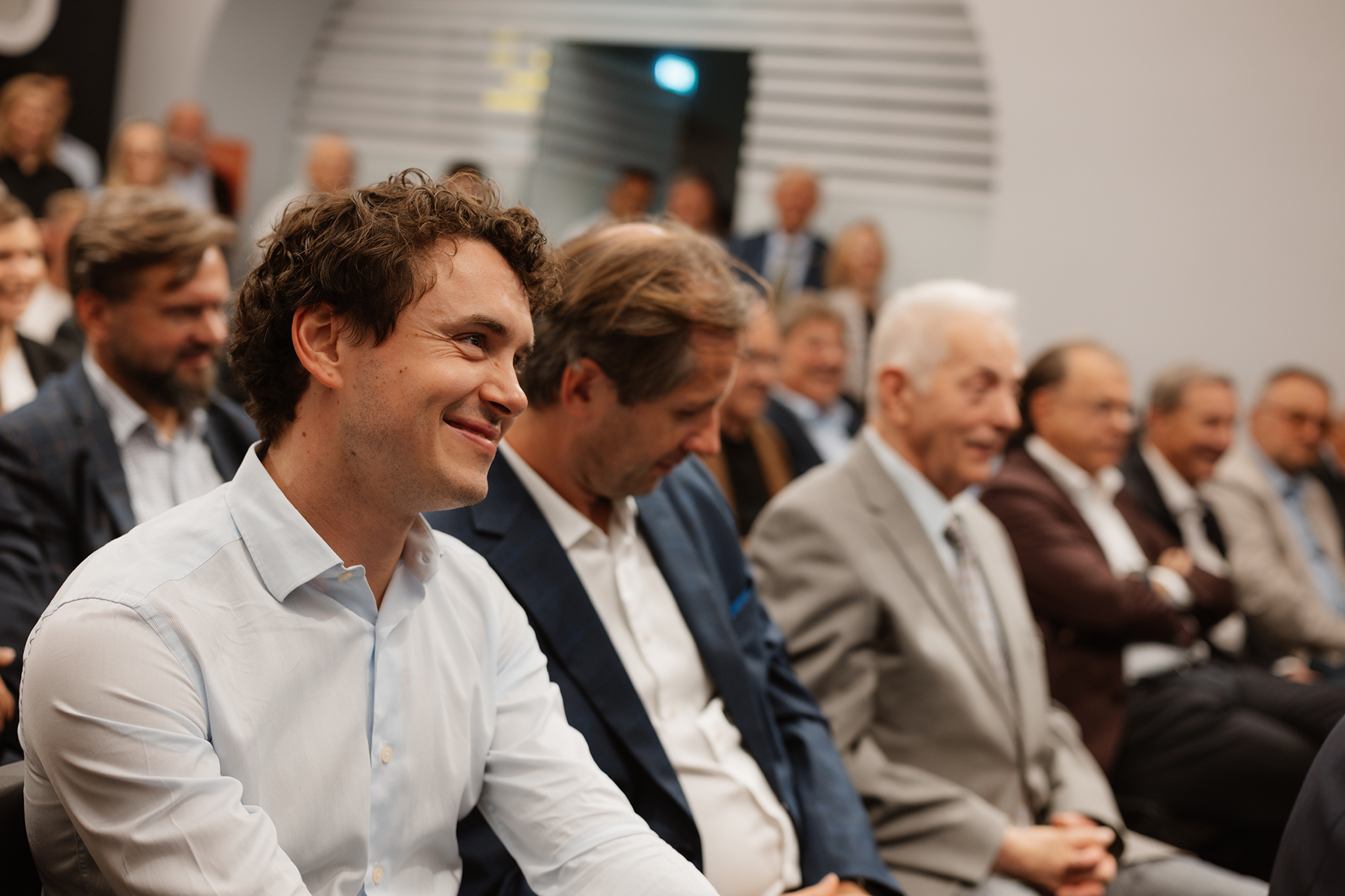
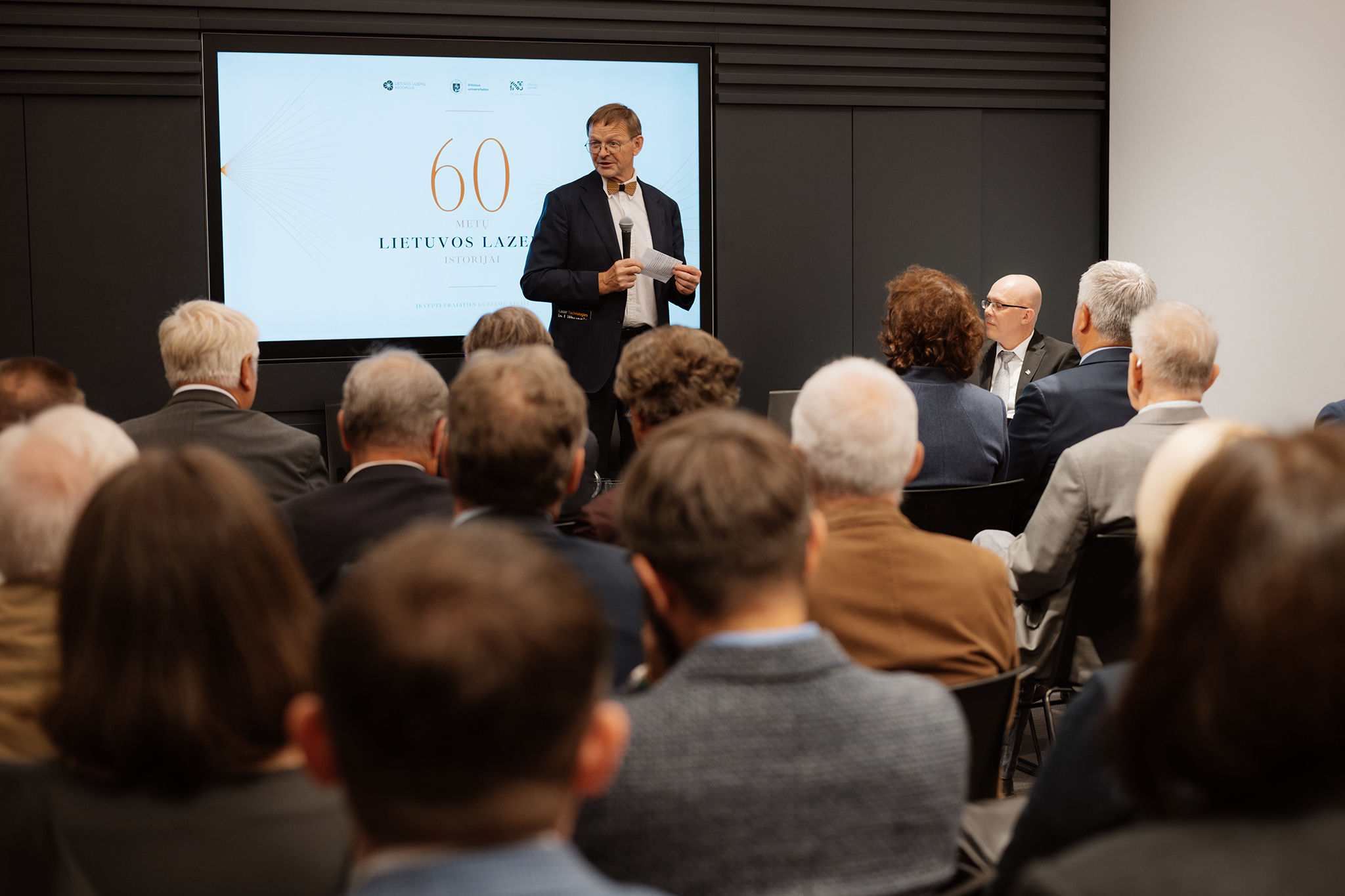
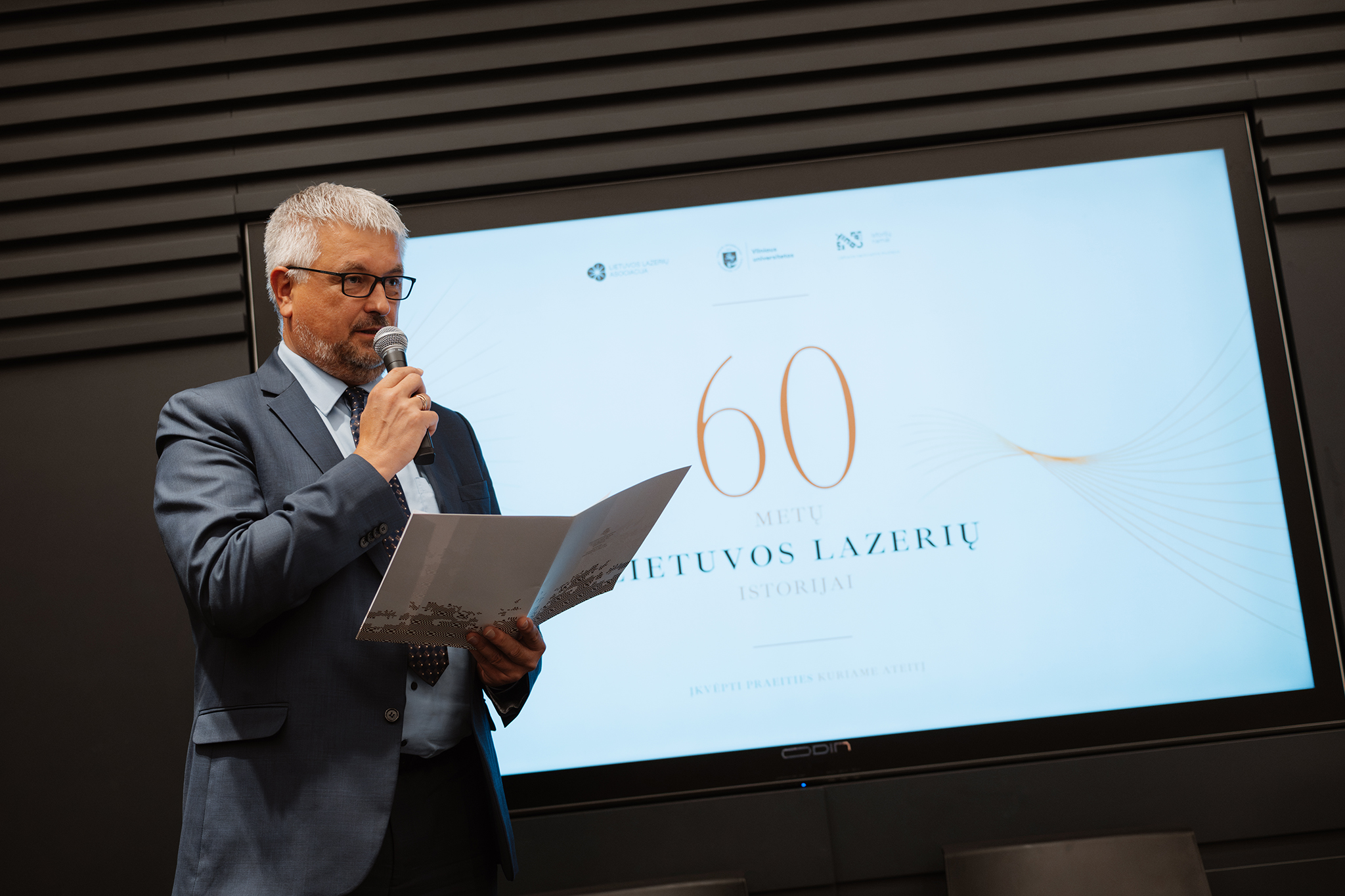
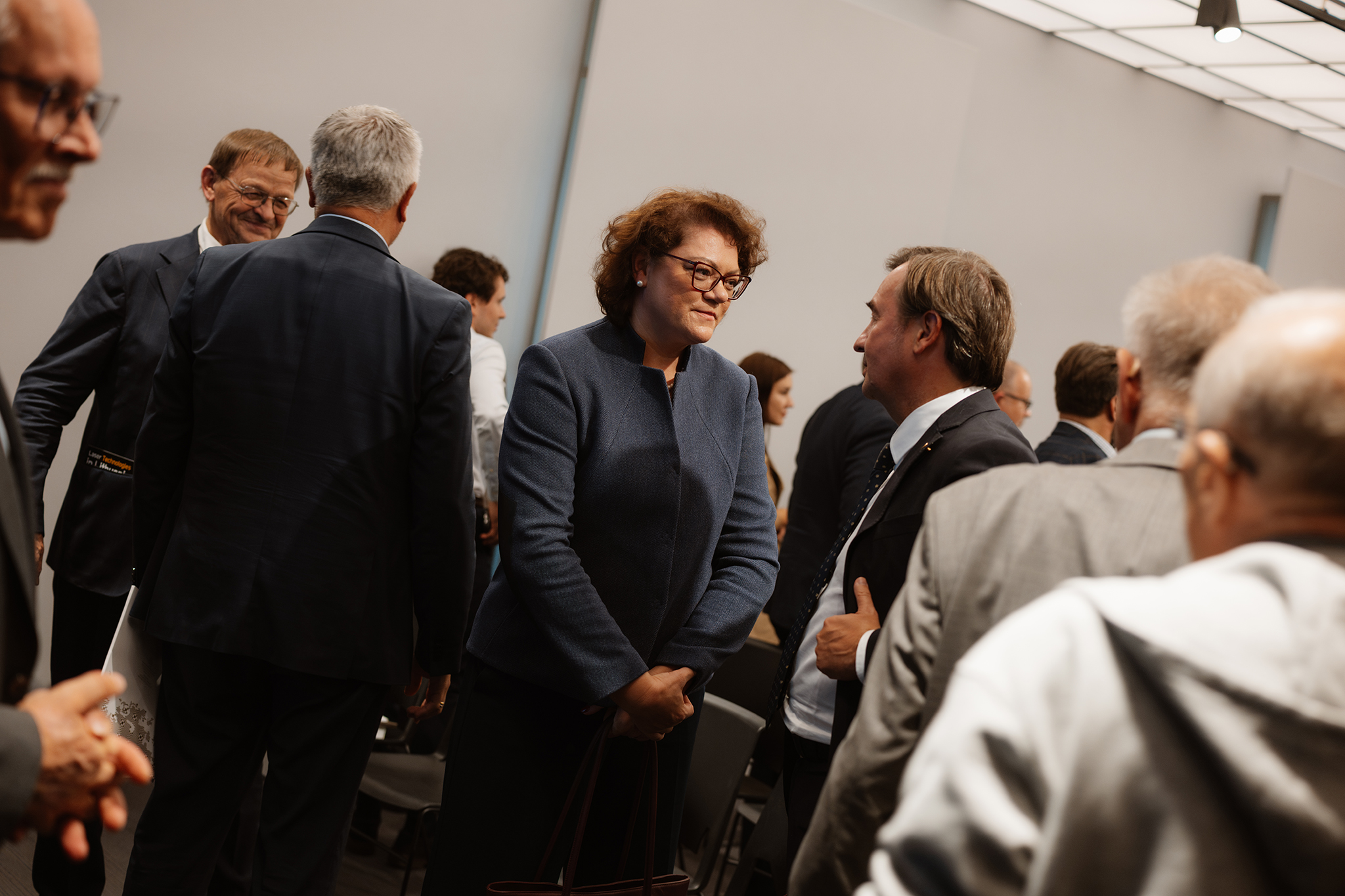
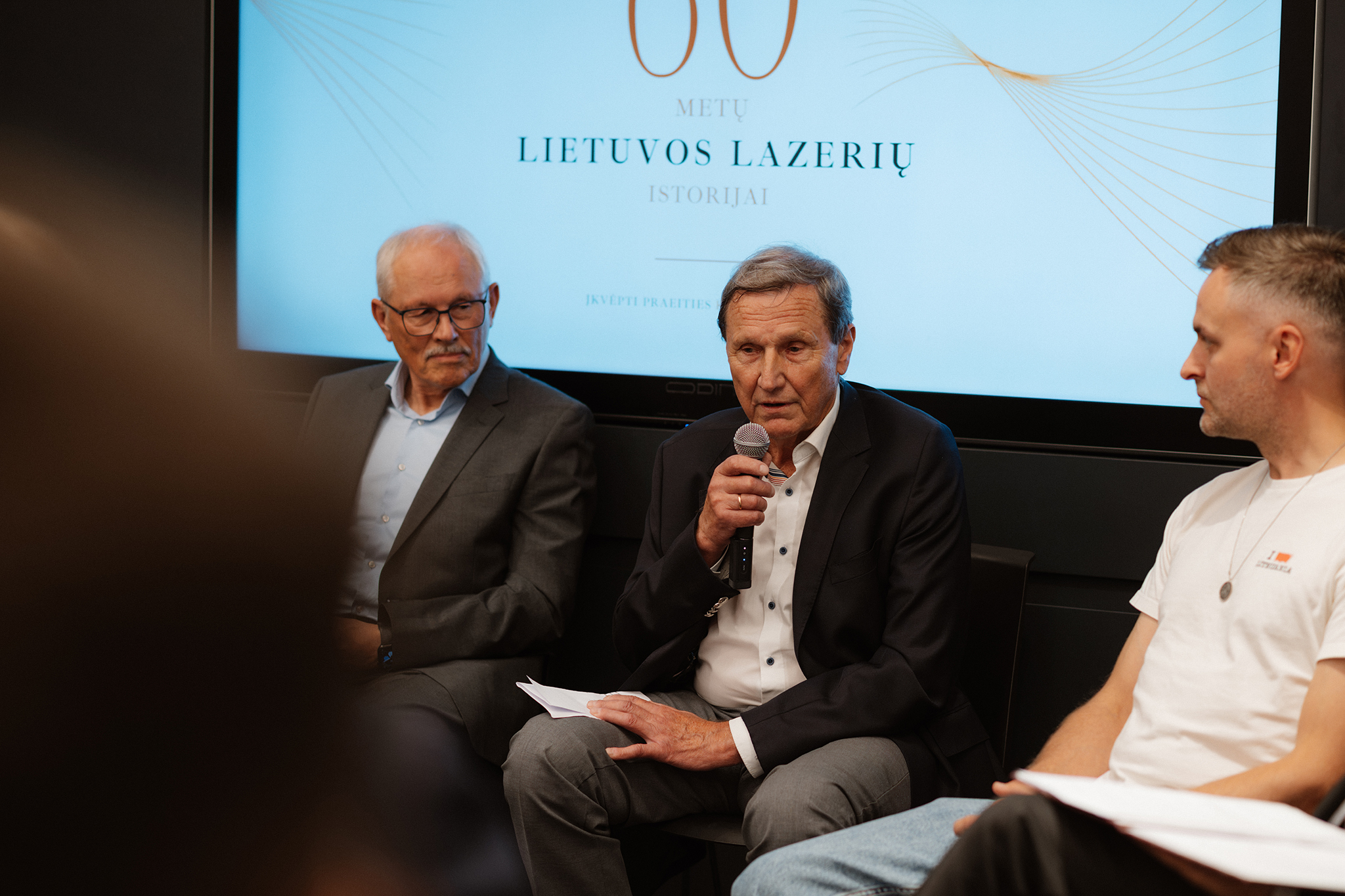
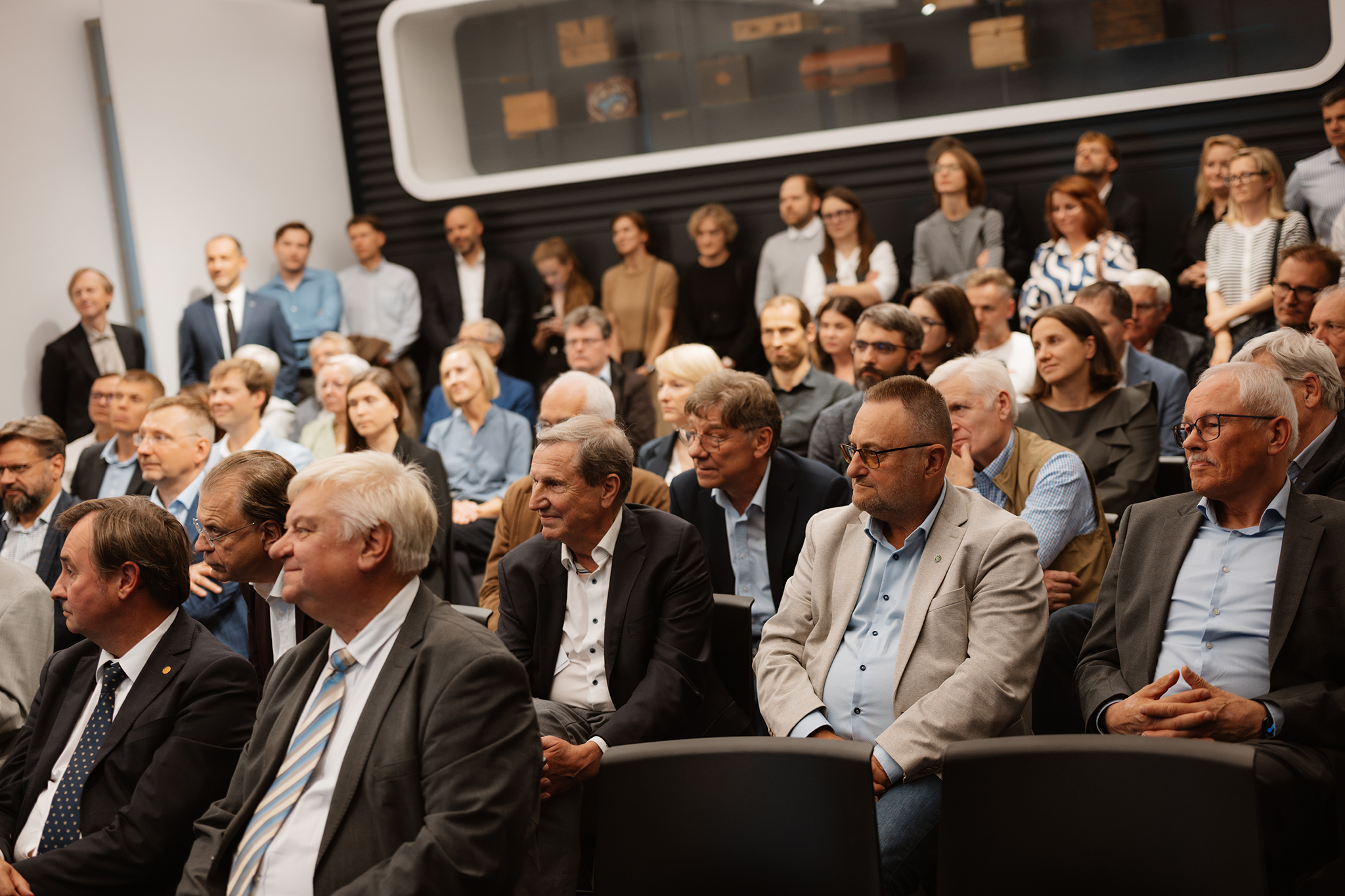
On 10 September, Lithuania’s laser community, together with the pioneers of the sector and representatives of science, business and government, marked 60 years of lasers in Lithuania. The anniversary was an opportunity not only to look back at the path travelled, but also to reflect on what the ecosystem of science, business and talent built over six decades means for Lithuania today.

60 Years of Investment in Science and People

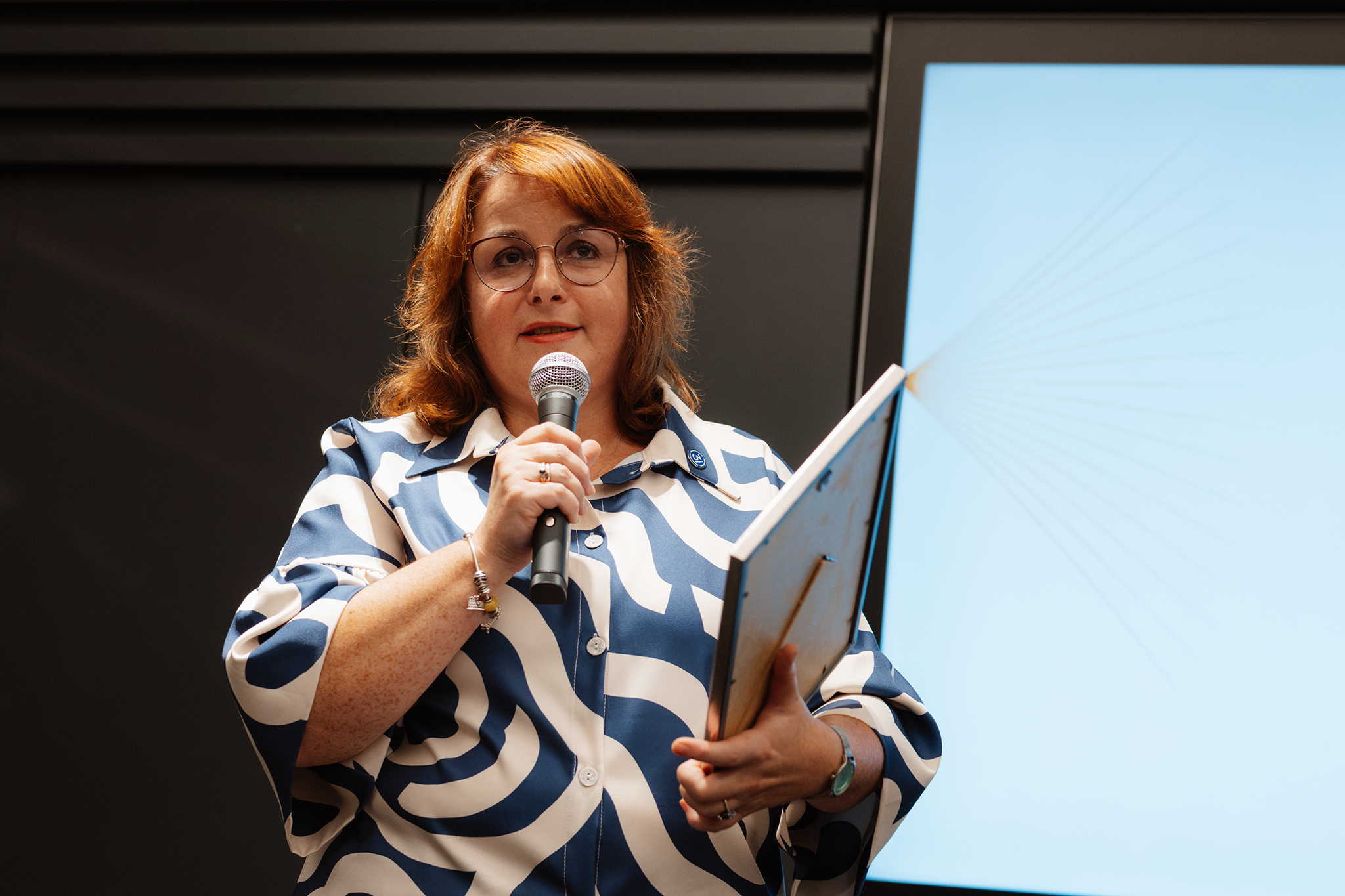
“The success of Lithuania’s laser sector sends a very clear message to the state: investment in fundamental science, people and innovation ecosystems pays off by creating long-term value,” said Marija Jakubauskienė, Adviser to the Prime Minister, at the 60th anniversary event.

According to her, Lithuania’s laser and photonics ecosystem is important not only economically. It strengthens the country’s innovation potential, brings science and business together, develops highly qualified specialists, and contributes to Lithuania’s technological resilience and autonomy.

The significance of Lithuania’s laser sector to the country was also highlighted at the anniversary event by Guoda Burokienė, Vice-Minister of the Economy and Innovation; Vidmantas Verbickas, Vice-Minister of Foreign Affairs; and Rimantas Vaitkus, representative of the Ministry of Education, Science and Sport. Speaking about the sector’s importance to Lithuania, they emphasised its contribution to the country’s economy, the development of science and high technologies, and Lithuania’s visibility internationally.

Prof. Rimvydas Petrauskas, Rector of Vilnius University, described the development of Lithuania’s laser sector as one of the best examples of scientific advancement and knowledge transfer. The industry that grew out of academic research has not only created high-value-added businesses but has also maintained close ties with science: people who moved into business return to the university, support research and studies, while companies invest in the development of new technologies.

Over six decades, this relationship has become one of the defining features of Lithuania’s laser ecosystem.

From a Few Research Groups to More Than 60 Companies

Today’s ecosystem had much more modest beginnings. As early as 1962, Prof. Povilas Brazdžiūnas recognised the potential of laser technology, which had emerged globally only two years earlier, and initiated the training of young Lithuanian physicists in the field.

Four years later, Juozas Vidmantis Vaitkus, Jurgis Viščakas and Remigijus Baltramiejūnas fired the first laser in Lithuania at Vilnius University. Interestingly, the laser was not developed as a new technology for its own sake – it was needed as a tool for semiconductor research.

Strong schools of laser research subsequently emerged at Vilnius University and the Institute of Physics. Scientists built their own instruments, engineers worked side by side with researchers, and some of the expertise accumulated in these environments eventually developed into businesses.

Following the restoration of Lithuania’s independence, the country’s modern laser industry began to take shape. Ekspla was founded in 1992, followed by Light Conversion in 1994, while companies specialising in optics, components, laser sources and technological systems continued to emerge and grow. Today, Lithuania’s laser and photonics ecosystem covers the entire value chain – from fundamental research to the deployment of technologies in industry.

Building the Next 60 Years

The future of Lithuania’s laser sector remains closely linked to one of the country’s strongest areas of expertise – ultrashort-pulse lasers and their applications. At the same time, growing opportunities are emerging in semiconductors, quantum technologies, communications, medicine, defence and space.

Lithuania is a founding member of ELI ERIC, Europe’s major laser research infrastructure. In 2023, the joint Ultrashort Pulse Laser Technology Research and Innovation Center (ULTRI) was opened in Taiwan in cooperation with the Industrial Technology Research Institute (ITRI).

According to Lithuanian Laser Association President Gediminas Račiukaitis, Lithuania’s future strength will not necessarily lie in mass production. A greater opportunity is to maintain strong positions in areas requiring exceptional expertise, develop components and technologies that are difficult to replace, and become an important part of major international projects.

Lithuania’s 60-year laser story demonstrates that high-tech ecosystems do not emerge within a single funding cycle or over just a few years. They require the consistent development of people and scientific expertise, room for experimentation, collaboration between science and business, and the ability to pass accumulated knowledge on to the next generation.

Bringing the 60-Year Story to the Public

During the anniversary year, the story of Lithuania’s lasers can also be explored beyond laboratories and companies.

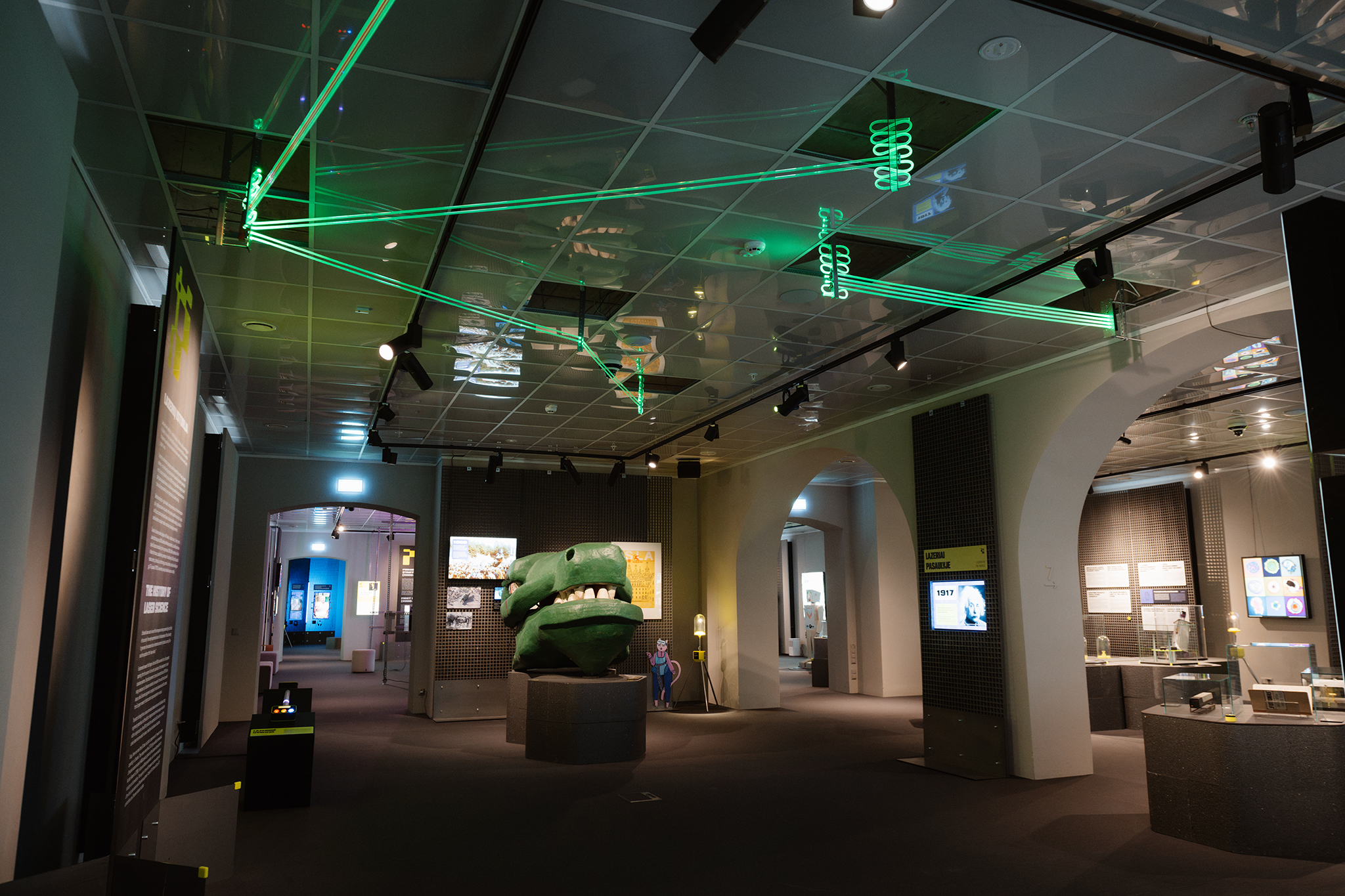
The exhibition “Trajectory of the Future. The History of High Technology in Lithuania” at the House of Histories of the National Museum of Lithuania presents the development of Lithuania’s laser sector, its pioneers and the people who built its scientific knowledge, technologies and companies.

Since July, the Energy and Technology Museum has also hosted the photonics exhibition “From Light Waves to Laser Beams”, inviting visitors to explore light, photonics and the principles of laser operation through hands-on experiences.

VU nuotr.
Four Philanthropic Families Who Laid the Foundations of Lithuania’s Laser Industry Donate €1 Million to the VU Endowment Fund

The Danielius, Piskarskas, Juozapavičius, and Sirutkaitis families have donated €1 million to the Vilnius University (VU) Foundation. The philanthropic fund’s managed portfolio has grown to €25 million.

The families of Lithuanian laser industry pioneers, Dr. Romualdas Danielius, Prof. Valdas Sirutkaitis, Prof. Algis Petras Piskarskas (1942–2022), and Dr. Algirdas Juozapavičius (1948–2025), jointly decided to strengthen the country’s first philanthropic university endowment fund, which they helped establish in 2016, with an additional €1 million.

The laser and laser systems manufacturing company Light Conversion, founded by these philanthropists, became one of the founders of the VU Foundation a decade ago, helping to establish a modern tradition of academic philanthropy in Lithuania. Over ten years, the public has supported the foundation, its sub-funds, and projects more than 5,000 times. The foundation’s activities are supported by dozens of philanthropic families as well as more than 50 companies and organizations.

“Vilnius University is the origin of our company and the alma mater of many of our employees. By supporting the university, we aim to contribute to the development of young talent and the creation of a sustainable environment for innovation,” said Dr. R. Danielius on behalf of the patrons.

According to VU Foundation CEO Justinas Noreika, the philanthropic contribution will supplement unrestricted capital, whose investment returns are allocated to funding talented early-career VU researchers. Each year, the VU Foundation awards incentive scholarships of up to €30,000, paid in installments over 2–3 years.

“The names Danielius, Piskarskas, Juozapavičius, and Sirutkaitis are firmly embedded in the history of Lithuanian physics and Vilnius University. These names are associated with the beginning of laser research and the laser industry in Lithuania. World-class scientific discoveries were accompanied by an equally significant breakthrough in global business. The laser company Light Conversion, founded by them, became one of the founders of the Vilnius University Foundation, and now these families are strengthening the initiative of academic patronage with a new substantial contribution,” said VU Rector Prof. Rimvydas Petrauskas.

Since 2020, nearly two dozen researchers from Lithuania and abroad, representing various scientific fields and having completed doctoral studies at prestigious universities, have already been funded. According to J. Noreika, additional funding creates better conditions for attracting talented researchers to Lithuania.


Dr. Romualdas Danielius is a physicist (PhD), known for his research in ultrashort laser physics, nonlinear optics, and ultrafast spectroscopy. He has made significant contributions to the development of parametric light generators and femtosecond laser technologies. For this work, he has been awarded the Lithuanian Science Prize (1994), the Council of Ministers’ Prize (1988), and the Officer’s Cross of the Order “For Merits to Lithuania” (2021). Together with his wife Eglė, he also established the Prof. Jonas Kazlauskas sub-fund at the VU Foundation to support philological research and supports other initiatives.


Prof. Algis Petras Piskarskas (1942–2022) was a physicist, a member of the Lithuanian Academy of Sciences, and a pioneer of laser science in Lithuania. He led the VU Laser Research Center and made significant contributions to the development of ultrashort lasers and nonlinear optics. For his scientific achievements, he was awarded the Lithuanian Science Prize (1984), the St Christopher statuette (2003), the Officer’s Cross of the Order of the Grand Duke Gediminas of Lithuania (1999), and the Commander’s Cross of the Order “For Merits to Lithuania” (2019), as well as other national and international awards, including the Alexander von Humboldt Prize (1992) and the EPS Quantum Electronics Prize (2001). The Piskarskas family has established a sub-fund in his name at the VU Foundation to support laser physics.


Dr. Algirdas Juozapavičius (1948–2025) was a physicist (PhD) and one of the pioneers of the laser industry. He served as the long-time head of “Light Conversion” (1994–2019) and made significant contributions to the development of Lithuania’s laser science and business. For his contributions, he was awarded the Knight’s Cross of the Order “For Merits to Lithuania” (2018) and the St Christopher statuette of the city of Vilnius (2018), and was named CEO of the Year by “Verslo žinios” (2018). The Juozapavičius family has established the Mantvydas Juozapavičius sub-fund at the VU Foundation and significantly supports other sub-funds, including the Lyceum Alumni Fund.


Prof. habil. Dr. Valdas Sirutkaitis is a physicist, habilitated doctor, and professor at Vilnius University. He has made significant contributions to research in ultrashort lasers and nonlinear optics, as well as to the development of the Vilnius laser school. He led the Laser Research Center and is one of the most active contributors to Lithuania’s laser science community, with nearly 300 scientific publications and experience in international research laboratories. He has been awarded the Officer’s Cross of the Order of the Grand Duke Gediminas of Lithuania (2004).

How Lithuania Became a Global Leader in Lasers in 60 Years

This year, Lithuania's laser industry celebrates its 60th anniversary. Over these six decades, a sector that grew out of academic laboratories has evolved into one of the country's highest value-added export industries. According to the Innovation Agency, as much as 90–95% of Lithuanian laser production is exported to more than 80 countries worldwide, while the sector continues to grow by over 16% annually.

Just six years after the invention of the laser in the United States, Vilnius University physicists Juozas Vidmantas Vaitkus and Remigijus Baltramiejūnas ignited the first Lithuanian ruby laser in 1966. Although the foundations of the ecosystem were laid in scientific laboratories, the real turning point came during the 1990s and early 2000s. Companies that emerged from the scientific community made a bold decision: to compete globally from the very beginning. Today, the profit generated per employee in the sector exceeds the national average by more than twofold.

The success of Lithuania's laser sector is directly reflected in the country's export statistics: lasers and their components rank among the fastest-growing categories of scientific instruments and electronics exports. According to Simona Buziliauskienė, Head of the Advancement Department at the Innovation Agency: "Last year, exports of high-tech goods grew by 7.2%, while knowledge-intensive services increased by as much as 24%. Together, these sectors account for 26.8% of all exports of Lithuanian-origin products. Exports of Lithuanian high-tech goods demonstrate export value growth that is twice as fast. Germany, Poland and the United States have been Lithuania's main export partners for high-tech products over the past five years."

The strength of Lithuania's laser sector lies not in individual companies, but in the ecosystem as a whole. Universities, research centres and businesses work closely together within this ecosystem.

Kristina Ananičienė, Executive Director of the Lithuanian Laser Association, emphasises that this close connection between science and industry has been a cornerstone of success. "From the very beginning, Lithuanian companies developed their own technologies rather than copying existing solutions. This enabled the country to become one of the world's strongest developers of ultrafast laser technologies," says Ananičienė.

From Pioneer to Architect of Global Systems

Over the past decades, the role of laser engineers has changed dramatically. Gabrielė Stankūnaitė, Head of Communications at Light Conversion, a company founded more than three decades ago, explains that engineers once worked under conditions of extremely limited resources, lacking both components and access to information. Engineers had to do everything themselves: design parts, manufacture them or adapt them from other devices, bring back technical knowledge from foreign catalogues, and simultaneously take care of production, logistics and even workshop facilities. It was a profession defined by ingenuity and versatility.

Today, the scale is entirely different. Tens of thousands of laser systems operate worldwide, allowing engineers to focus on what matters most: the precise development of technologies. Their responsibility has expanded from individual products to ensuring the reliability of industrial processes and enabling scientific progress. Engineers are therefore responsible not only for the quality of the devices they produce, but also for their impact on customers' operations and the value they create.

Technologies Shaping Everyday Life

One of the sector's most prominent companies today is Light Conversion, which has grown over three decades from a group of scientists into a global leader in femtosecond laser technology.

The company's femtosecond lasers are used in industries requiring the highest precision, where materials must be processed efficiently while minimising thermal damage. They are employed, for example, in cutting smartphone display glass, camera cover glass and other fragile materials used in electronics manufacturing. They are also used to drill microscopic holes in automotive fuel injectors to improve engine efficiency and reduce emissions.

According to the company's Head of Communications, these lasers also play an important role in medicine. "They are used to cut stents—tiny cylindrical mesh structures implanted into blocked or narrowed blood vessels to restore blood flow. More than one million stenting procedures are performed annually in the European Union alone. Femtosecond lasers are also widely used in vision correction surgery. Tens of millions of such procedures have already been carried out worldwide, reflecting a broader trend towards minimally invasive medical interventions," says Stankūnaitė.

Femtosecond lasers also enable 5D data storage in glass. This technology makes it possible to preserve enormous amounts of information within a tiny and highly durable piece of material, ensuring data longevity even under extreme conditions.

The Laser: Independent Lithuania's First Export Product to Japan

Kęstutis Jasiūnas, Chairman of the Board of EKSPLA and one of the company's founders, recalls that the company's origins date back to 1983, when physicists and engineers working at the experimental facility of Eksma set out to create the world's most advanced picosecond laser. In 1987, the PL1020 laser was presented and sold in Munich, becoming the first sign that Lithuanian technologies could compete on the global stage.

After Lithuania regained independence, this breakthrough evolved into a symbolic milestone. In 1993, two EKSPLA lasers were exported to Japan, at that time the only Lithuanian products entering that market. Japan became not only a strategically important destination but also a seal of quality: recommendations received there opened the doors to the United States market.

Today, EKSPLA is a global player whose lasers are used in leading universities and industries around the world. The company has evolved from laboratory solutions to industrial technologies, with its products no longer merely reflecting scientific progress, but actively shaping it.

Jasiūnas notes that the company's products are now exported to more than 80 countries, and its lasers are used by many of the world's leading universities. EKSPLA has also received the prestigious SPIE Prism Awards.

EKSMA Optics: Small Components That Make All the Difference

For more than three decades, EKSMA Optics has been developing what often remains invisible but is essential to every laser system: optical components. The precision, reliability and safety of laser systems depend on these small yet critical elements, which are used in science, medicine, quantum technologies, defence and the semiconductor industry.

According to Audrius Jakštas, Technical Sales Director at EKSMA Optics, the company's components are used in some of the world's most powerful laser systems, including those being developed for laser-driven nuclear fusion—a technology that may one day become an alternative to today's nuclear energy.

"Among EKSMA Optics' most sought-after technologies today are two key solutions," says Jakštas. "The first are electro-optical components such as Pockels cells with integrated drivers, which enable extremely precise and rapid control of laser pulses, effectively 'slicing' light signals with microsecond or even nanosecond precision. They are indispensable in femtosecond and picosecond laser systems used in both advanced scientific experiments and medical applications. The second are optical components coated using Ion Beam Sputtering (IBS) technology. These coatings exhibit exceptional resistance to laser-induced damage and can therefore be used in very high-power, high-energy laser systems."

Fundamentally, these technologies address one of the key challenges of modern photonics engineering: ensuring that optical systems remain stable, accurate and reliable while operating under extremely high-power and ultrashort-pulse conditions and meeting the stringent requirements of scientific research, defence, quantum technologies and advanced manufacturing.

A Historic Shift: From Laboratories to Factories

Over the course of six decades, Lithuania's laser sector has undergone a remarkable transformation—from scientific laboratories to global markets. As Kristina Ananičienė notes, one of the most significant changes today is the sector's clear shift towards industry: nearly half of all laser sales are now made directly to industrial customers.

This transformation has also reshaped the technologies themselves. While scientific breakthroughs were once the primary objective, lasers are now designed to be practical, efficient and easy to integrate into real manufacturing processes—from medicine and electronics to advanced manufacturing and defence applications.

The Photonics Era: New Opportunities for Lithuania

Over the next decade, the growing importance of photonics will continue to reshape the world. It is becoming an essential component of semiconductors, quantum technologies, space applications and defence.

For Lithuanian companies, this means more than increasing demand for high-value laser products. It presents an opportunity to transform business models—from supplying individual components to developing complete, integrated solutions. Such a transition enables the creation of significantly greater economic value while strengthening Lithuania's position in global high-tech markets.

Global Competition and Geopolitical Challenges

Gediminas Račiukaitis, President of the Lithuanian Laser Association, identifies geopolitics and rapidly changing national priorities as among the sector's greatest risks. Some laser technologies are classified as sensitive products, making their export subject to licensing requirements and international restrictions.

Global competition is also intensifying. While the United States, Germany and France have long been major players in laser technologies, China is progressing particularly rapidly in the field of ultrafast lasers.

Additional pressure comes from geopolitical tensions and disruptions to supply chains in high-tech and defence sectors. These developments serve as a reminder that technological leadership cannot be taken for granted—it must be continuously reinforced through investment in science and innovation, as well as through the ability to adapt quickly to changing export regulations.

Why Do Talents Choose Lithuania?

Despite these challenges, Lithuania's laser sector remains attractive to talent. According to Račiukaitis, young people are motivated not only by competitive salaries but also by the opportunity to develop world-class technologies without leaving Lithuania.

The sector's international recognition encourages students to pursue STEM careers, while Lithuania's growing reputation abroad is one of the factors motivating expatriate specialists to return home. Equally important is the dynamic working environment, which allows people to grow quickly, take on responsibility and see the direct impact of their work while helping to shape the technologies of the future.

The Formula for Success: Collaboration

Lithuania's strength lies not only in its technologies, but also in its ability to work together. A compact laser ecosystem, a strong sense of community and mutual trust allow the world to perceive Lithuania as one powerful laser hub rather than a collection of individual companies.

At the same time, healthy competition among research institutions and businesses also strengthens the sector. This balance—unity outwardly and constructive competition internally—helps Lithuania remain visible and competitive in the global marketplace.